THE RAINY SEASON IS COMING: What Portland Homeowners Should Evaluate Before The Rain Arrives
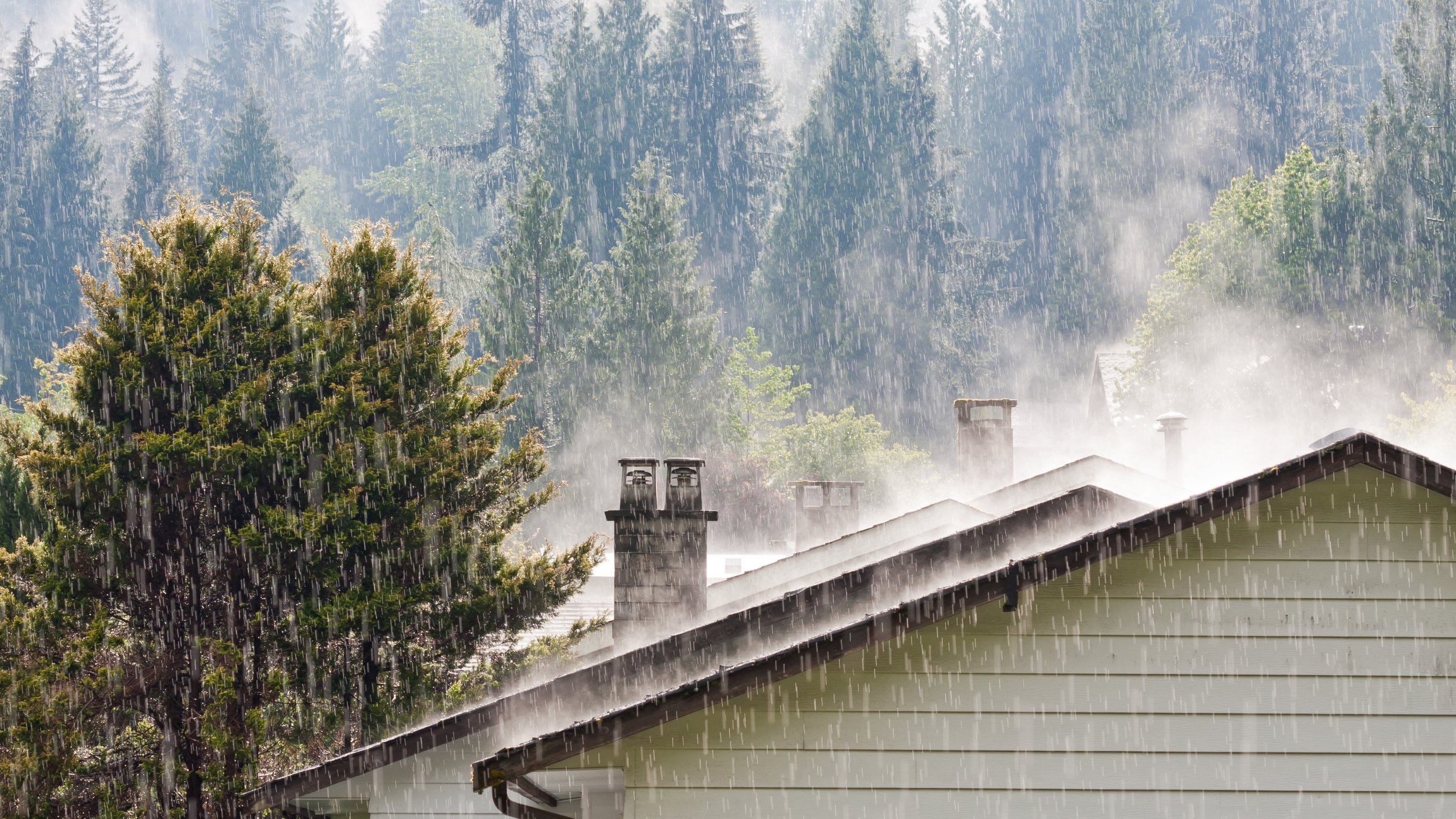
If you've lived in Portland for more than one winter, you already know what's coming. The gray skies roll in, the rain settles into that steady, weeks-long drizzle, and your yard turns into a sponge. Most of the year your home's foundation, crawlspace, and rain drainage system quietly do their job without a second thought. Rainy season is when they get tested — and when small, unnoticed problems turn into expensive ones.
The Bridge to Portland Group works with trusted local Portland foundation and crawl space experts, M Leon Construction to understand the ins and outs of preparing your home for the rainy season. Here’s what they recommend!
At M Leon Construction, this is the time of year we get the most calls about water intrusion, and almost every one of them traces back to something that could have been caught in September and October. Here's what we recommend homeowners walk through now, before the rain really sets in.
1. Foundation Walls
Start outside and work your way around the entire perimeter of your home.
Cracks: Hairline cracks in a poured concrete foundation are often cosmetic, but anything wider than 1/4 inch, anything horizontal, or any crack that's stair-stepping through block or brick is worth a professional evaluation. Horizontal cracking in particular can signal pressure from saturated soil pushing against the wall.
Settling or unevenness: Doors that have started sticking, new gaps around window trim, or floors that feel slightly uneven can point to foundation movement that's easier to catch early.
Efflorescence: That white, chalky residue on concrete or block is mineral deposits left behind by water moving through the material. It's a common sign moisture is seeping into the foundation itself, even if you're not seeing active leaks yet.
2. Crawlspace Conditions
Keeping surface water from finding its way in from above, or getting ground water that pushes up from below out of the crawlspace as fast as possible should be the goal for all homeowners.
Moisture and standing water: The easiest time to get under there with a flashlight is before the rains hit. Look for damp soil, standing water, or a musty smell — all signs that water is already finding its way in.
Vapor barrier: If your crawlspace has a vapor barrier, check that it's intact. Torn or missing barriers let ground moisture straight into your home's structure.
Insulation and wood framing: Look for water staining, soft or spongy wood, and any sign of mold on joists and sill plates. Wet insulation loses its effectiveness and can trap moisture against the structure of your home.
Ventilation: Make sure crawlspace air vents aren't blocked by landscaping, debris, blocks, or stored items. Airflow helps the space dry out between storms.
Sump pump: If you have one, this is the month to test it. Pour a bucket of water into the trenches or pump area and confirm it kicks on, moves water out, and shuts off properly. Check to make sure it is plugged in.
3. Basement Walls
If your home has a basement, the same checks apply, with a few additions.
Bowing or leaning walls: This is a bigger concern than cracking alone and usually means hydrostatic pressure has been building over time. This is not a wait-and-see item.
Window wells: Basement window wells fill with leaves and debris every fall, and once they clog, they funnel water straight against the foundation instead of away from it. Clear them out and make sure any well covers are secure.
4. External Drainage
This is where most water problems actually start, and it's the most preventable category on this list.
Gutters and downspouts: Clean them out now, not after the first big windstorm fills them with fir needles and maple leaves. Confirm downspouts are directing water away from the foundation (8-10 feet is optimal), not dumping it right at the base of the house.
Grading: Walk the perimeter and check that soil slopes away from your foundation. Even a small area where ground slopes toward the house can direct significant water against the foundation over a winter of Portland rain.
French drains and drain tile: If your property has a French drain, daylight drain, or footing drain system, locate the outlets and make sure they're clear and flowing. A blocked outlet defeats the whole system.
Landscaping and hardscaping: Mulch beds piled against siding, patios or walkways that slope toward the house, and dense plantings against foundation walls all trap moisture where you don't want it.
When to Call M Leon Construction
Some of the items listed above are a weekend project — clearing gutters, downspouts and rain drainpipes, checking grading, and reviewing the crawlspace with a flashlight. But bowing walls, active water intrusion, structural cracking, or a foundation that's visibly settling are not do-it-yourself situations. Catching these issues in the fall, before months of sustained rainfall put real pressure on your home, is almost always less disruptive and less costly than dealing with them in the middle of a wet winter.
M Leon Construction offers free foundation and crawlspace inspections throughout the Portland area. A little attention now can save you a much bigger repair later!
Contact M Leon Construction to set up your free evaluation if you have any concerns about your home heading into the rainy season. And, of course, if you are thinking about listing your home once the sun is back next spring, you know who to call!